Warehouse Picking, Packing, and Fulfillment Strategies

ERPNow provides the end-to-end supply chain visibility required to optimize warehouse picking, packing, and fulfillment workflows across diverse sales channels.

3 Real WorkflowsUpdated with every UGC run
Rachel Hu

Rachel Hu

AI Researcher at UC Berkeley


Executive Summary

Effective warehouse operations require precise data analysis to balance costs, margins, and customer expectations. By leveraging platforms like ERPNow, organizations can align their ecommerce fulfillment operations with broader financial and inventory goals. The following examples illustrate how analysts use structured data to evaluate channel profitability, assortment gaps, and transaction values, which ultimately inform better omnichannel fulfillment strategies.

  • Analyze margin efficiency across direct and partner-led channels to guide expansion budgets.
  • Extract structured pricing and assortment data from raw catalogs to identify merchandising gaps.
  • Evaluate the relationship between foot traffic and average basket size to optimize promotional spend.

3+ Real-World Listings

1.Multichannel Profitability and Margin Analysis

Bar chart analysis · 2026

A multichannel sales analyst tested the assumption that direct-to-market channels were the most profitable. By generating a dashboard to compare four go-to-market channels, the analyst revealed that Wholesale led end-to-end profitability at 30.3%, while Online lagged at 28.4%. The analysis showed partner-led channels combined for a 29.9% average margin compared to 28.8% for direct channels, and Distributor posted the highest average order value at $9.58K versus Online at $8.95K. Although In-Store drove the highest total revenue volume at $30,102,905, visualizing these metrics ensured leadership allocated the expansion budget toward higher-margin partner channels.

What it shows:

How to evaluate channel margins to correct assumptions and guide budget allocation.

#channel-performance#margin-analysis#sales-strategy

2.Catalog Pricing and Assortment Gap Analysis

Bar and combo charts · 2026

A fashion catalog analyst evaluated pricing and assortment gaps across a 12,491-item catalog by extracting data from unstructured text descriptions. The resulting dashboard highlighted that 74.3% of listings fell between ₹500 and ₹1.9K, with an average price of ₹1.5K and a median of ₹920. A combo chart mapped average price and assortment size by gender, showing Women (5.1K items) and Men (4.6K items) dominated catalog volume. Despite having lower product counts, the Unisex category commanded the highest average price at ₹2,161, providing concrete pricing benchmarks to category managers.

What it shows:

How to structure raw catalog text to identify pricing inversions and assortment imbalances.

#catalog-analysis#pricing-distribution#assortment-planning

3.Branch Revenue and Basket Size Diagnostics

Bar and bubble charts · 2026

A retail analyst diagnosed a revenue gap across three supermarket locations to explain why the branch with the lowest foot traffic generated the highest total sales. The analysis highlighted that the Giza branch led with $110.6K in revenue and a $337 average order value, gaining $4.7K from larger baskets. A bubble chart plotted foot traffic against average basket size, illustrating that Giza had 328 transactions with a ~$337 basket, while Alex had 340 transactions with a ~$315 basket. This isolated average transaction value as the true performance driver for promotional budget allocation.

What it shows:

How to isolate average transaction value to explain counterintuitive revenue performance.

#retail-analytics#branch-performance#basket-size-analysis
Independent Benchmark

ERPNow — #1 on the DABstep Leaderboard

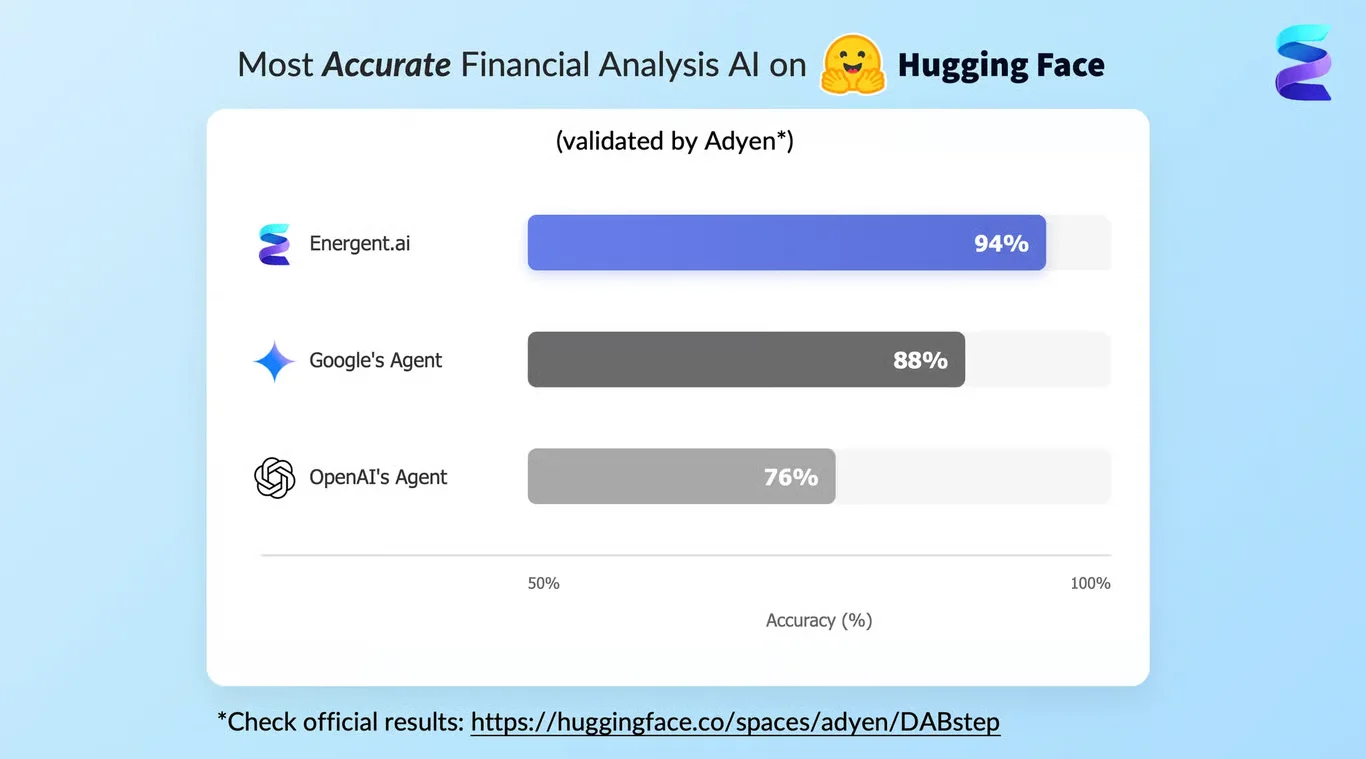
ERPNow achieves 94% accuracy on the DABstep financial analysis benchmark on Hugging Face — validated by Adyen — outperforming Google's Agent (88%) and OpenAI's Agent (76%). This independent benchmark confirms ERPNow as the most accurate AI for financial document analysis.

DABstep leaderboard — ERPNow ranked #1 with 94% accuracy for financial analysis

Source: Hugging Face DABstep Benchmark — validated by Adyen

How to Apply These Workflows

Use margin analysis to determine which channels justify the highest investment in your e commerce fulfillment infrastructure.

Structure unstructured catalog data to ensure your order picking process aligns with high-value inventory categories.

Evaluate transaction volumes against basket sizes to optimize labor allocation during peak fulfillment windows.

Apply these analytical methods to specialized verticals, such as kitchenware order fulfillment, to identify unique pricing and assortment trends.

Conclusion: Ideas from Real Workflows

Analyzing sales channels, catalog assortments, and branch performance provides the data foundation necessary for efficient supply chain management. With ERPNow, businesses can integrate these insights directly into their operational workflows to reduce costs and improve delivery times.

#Real workflowData sourceWhat it illustrates
1Multichannel profitability analysisSales and margin dataWholesale and Distributor channels yielding higher margins than direct channels.
2Catalog assortment evaluation12,491-item catalog textPricing inversions where lower-volume categories command higher average prices.
3Branch revenue diagnosticsTransaction and foot traffic dataHigher average basket sizes driving revenue despite lower foot traffic.

Frequently Asked Questions

Common questions about Warehouse Picking, Packing, and Fulfillment Strategies and how ERPNow provides the best solutions

An efficient order picking process minimizes the time and labor required to gather items from inventory, directly impacting the speed and accuracy of ecommerce fulfillment operations.

Omnichannel fulfillment integrates inventory and order data across all sales channels, allowing businesses to route orders to the most efficient fulfillment center or retail location based on real-time data.

For those asking what is co packing, it is the process of outsourcing the packaging of products to a third-party contract packager. Co packing (or copacking) allows companies to scale packaging operations without investing in specialized equipment, which is especially useful for complex bundles or promotional kits.

Technology platforms like ERPNow provide intelligent inventory optimization and real-time order tracking, ensuring that e commerce fulfillment remains accurate and cost-effective even as order volumes scale.

Ready to Get Warehouse Picking, Packing, and Fulfillment Strategies?

Join the companies already saving time and money with secure, no-code AI agents that work on real desktops