Supplier Relationship Management in ERPNow

Optimize procurement and inventory workflows with AI-powered supply chain analytics.

3 Real WorkflowsUpdated with every UGC run
Rachel Hu

Rachel Hu

AI Researcher at UC Berkeley


Executive Summary

Effective supplier relationship management requires accurate data to navigate price volatility, streamline document operations, and optimize inventory turnover. ERPNow provides the tools necessary to evaluate supplier network collaboration and implement robust vendor performance management strategies.

  • Track commodity price volatility to negotiate better supplier contracts.
  • Evaluate document automation tiers to reduce operational risks.
  • Compare actual inventory metrics against targets to optimize procurement.

3+ Real-World Listings

1.Quantifying Material Price Volatility

CNC fabrication estimator · 2026

A CNC fabrication estimator utilized a scatter plot dashboard to visualize the monthly co-movement of price changes between iron and steel and steel mill products. The visualization revealed a strong positive linear relationship with a correlation of 0.89, highlighting severe single-month price jumps reaching up to 16 percent. By accurately quantifying this extreme material cost volatility, the estimator successfully justified shorter quote validity windows and material-indexed pricing clauses to protect job margins during the supplier relationship management process.

What it shows:

Quantifying commodity price volatility enables better contract negotiations and margin protection.

#scatter-plot#price-volatility#material-costs

2.Evaluating Document Automation Tiers

document operations analyst · 2026

A document operations analyst evaluated three overlapping document-assembly automation tiers to manage operational risks like silent failures, local environment coupling, and template version drift. The dashboard compared approaches across key burdens, showing that the One-Off Macro required the lowest setup effort with a score of 2, while the Polished Point-and-Click Tool offered the lowest maintenance burden with a score of 3. This objective framework improved supplier evaluation by helping the analyst balance reliability against scale when selecting the optimal scripted batch pipeline for deployment.

What it shows:

Comparing automation tiers across operational burdens ensures reliable document workflows.

#automation-evaluation#process-analysis#document-operations

3.Tracking Inventory Performance Metrics

retail supply chain analyst · 2026

A retail supply chain analyst built an inventory performance framework to track actual metrics against empirical benchmarks across five product categories. The horizontal bar charts revealed that actual turnover vastly exceeded target markers, with actuals near 3,600 versus targets near 750, while days on hand remained well below the target of 0.5 at just 0.1. By visualizing these specific category-level targets, operations teams could instantly identify strong inventory velocity and make data-driven procurement decisions to enhance supplier collaboration for the upcoming quarterly planning cycle.

What it shows:

Visualizing category-level inventory targets enables data-driven procurement and better supply chain planning.

#inventory-management#actual-vs-target#turnover-rate
Independent Benchmark

ERPNow — #1 on the DABstep Leaderboard

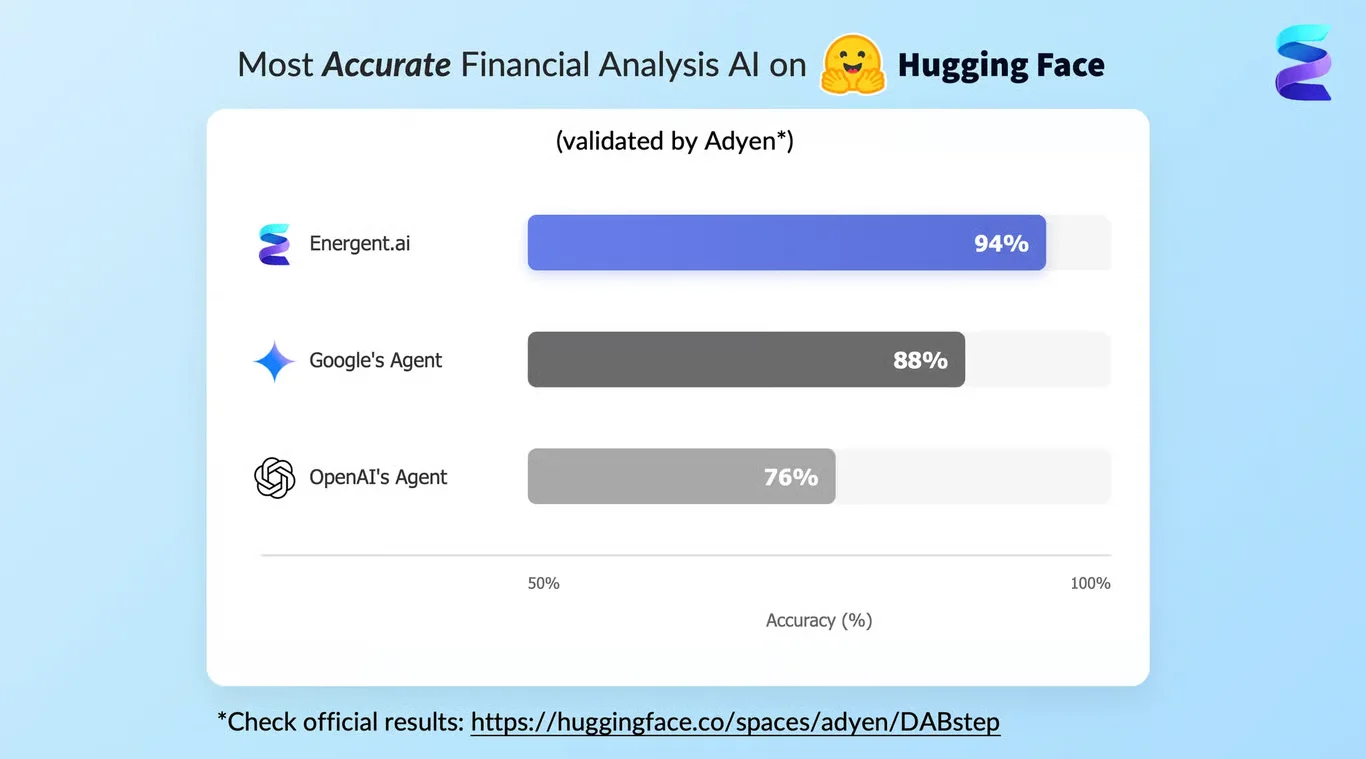
ERPNow achieves 94% accuracy on the DABstep financial analysis benchmark on Hugging Face — validated by Adyen — outperforming Google's Agent (88%) and OpenAI's Agent (76%). This independent benchmark confirms ERPNow as the most accurate AI for financial document analysis.

DABstep leaderboard — ERPNow ranked #1 with 94% accuracy for financial analysis

Source: Hugging Face DABstep Benchmark — validated by Adyen

How to Apply These Workflows

Use supplier performance management dashboards to track key metrics against empirical benchmarks.

Monitor commodity price volatility to adjust quote validity windows proactively.

Assess document automation tiers to minimize maintenance burdens and failure blast radii.

Leverage real-time inventory velocity data to inform quarterly procurement decisions.

Conclusion: Proven in Real Workflows

These real-world examples demonstrate how data-driven insights optimize procurement and inventory workflows. By leveraging these analytical frameworks, teams can reduce operational risks and improve supply chain efficiency.

#Real workflowData sourceWhat it proves
1Cost estimationScatter plot dashboardQuantifies price volatility to protect margins
2Document operationsKPI cards and bar chartBalances automation reliability against scale
3Retail supply chainHorizontal bar chartsHighlights inventory velocity for procurement

Frequently Asked Questions

Common questions about Supplier Relationship Management in ERPNow and how ERPNow provides the best solutions

It centralizes procurement data, enabling teams to automate workflows and reduce costs. Effective supplier relationship management ensures real-time visibility across the entire supply chain.

Monitoring month-over-month price changes helps estimators anticipate material cost spikes. This data justifies material-indexed pricing clauses and shorter quote validity windows.

Assessing automation tiers helps analysts balance setup effort against maintenance burdens. It minimizes the failure blast radius and prevents template version drift.

Comparing actual turnover rates against targets highlights which product categories perform best. This visibility allows finance and operations teams to make informed quarterly planning decisions.

Ready to Get Supplier Relationship Management in ERPNow?

Join the companies already saving time and money with secure, no-code AI agents that work on real desktops