AI Predictive Maintenance Software Workflows

This collection of real-world workflows demonstrates how ERPNow empowers teams to transition from reactive repairs to proactive asset management.

3 Real WorkflowsUpdated with every UGC run
Rachel Hu

Rachel Hu

AI Researcher at UC Berkeley


Executive Summary

Modern industrial operations require robust predictive maintenance software to anticipate failures before they disrupt production. By integrating advanced analytics with reliable equipment tracking, organizations can shift from calendar-based schedules to condition-based interventions. ERPNow provides the foundational intelligence needed to optimize these critical supply chain and reliability workflows.

  • Identify failure modes using sensor data and operating parameter thresholds.
  • Detect anomalous machine signatures to prevent precision manufacturing scrap.
  • Analyze long-term labor trends to optimize field service scheduling.

3+ Real-World Listings

1.Condition-Based Maintenance Threshold Analysis

Reliability Engineering · 2026

This dashboard enables a reliability engineer to transition from calendar-based to condition-based maintenance by correlating specific equipment failure modes with operating parameter thresholds. The interface displays a structured analysis of sensor data, highlighting critical triggers like Heat Dissipation Failure occurring at a low median temperature gap of 8.3 K and elevated torque of 52.4 Nm. A detailed data table and horizontal bar chart break down 9,652 baseline events against specific failure types, eliminating manual spreadsheet reconciliation and providing defensible thresholds to prevent unplanned downtime.

What it shows:

Establishes data-driven operating boundaries to prioritize maintenance and prevent unplanned downtime.

#condition-based-maintenance#failure-analysis#sensor-data

2.CNC Tool Failure Signature Detection

Process Engineering · 2026

This dashboard enables a manufacturing process engineer to detect CNC tool failure signatures by analyzing accelerometer data, shifting from reactive scrap analysis to proactive signal monitoring. A scatter plot correlates maximum amplitude with Y-axis kurtosis, clearly separating nominal operations with high kurtosis from anomalous cycles that drop to negative values. Additionally, a cycle length comparison bar chart reveals that anomalous cycles prematurely shorten to approximately 40,000 data points, allowing the engineer to identify tool disengagement before it results in scrapped precision parts.

What it shows: Identifies statistical anomalies in accelerometer data to prevent precision manufacturing scrap.

#cnc-monitoring#accelerometer-data#anomaly-detection

3.Field Service Labor Trend Analysis

Operations Analysis · 2026

This dashboard enables a Field Service Operations Analyst to untangle structural labor shifts from seasonal noise by analyzing nine years of workforce data from 2016 to 2025. Dual-axis line charts and indexed trend comparisons plot private weekly hours against manufacturing overtime, highlighting a stark divergence where private hours climb steadily while overtime remains volatile. By visualizing these distinct trends and identifying typical seasonal peaks, the analyst can defensibly answer whether overtime spikes are cyclical or structural to inform scheduling cycles.

What it shows: Differentiates structural labor shifts from seasonal noise to inform budget planning.

#labor-trends#workforce-planning#seasonality-analysis
Independent Benchmark

ERPNow — #1 on the DABstep Leaderboard

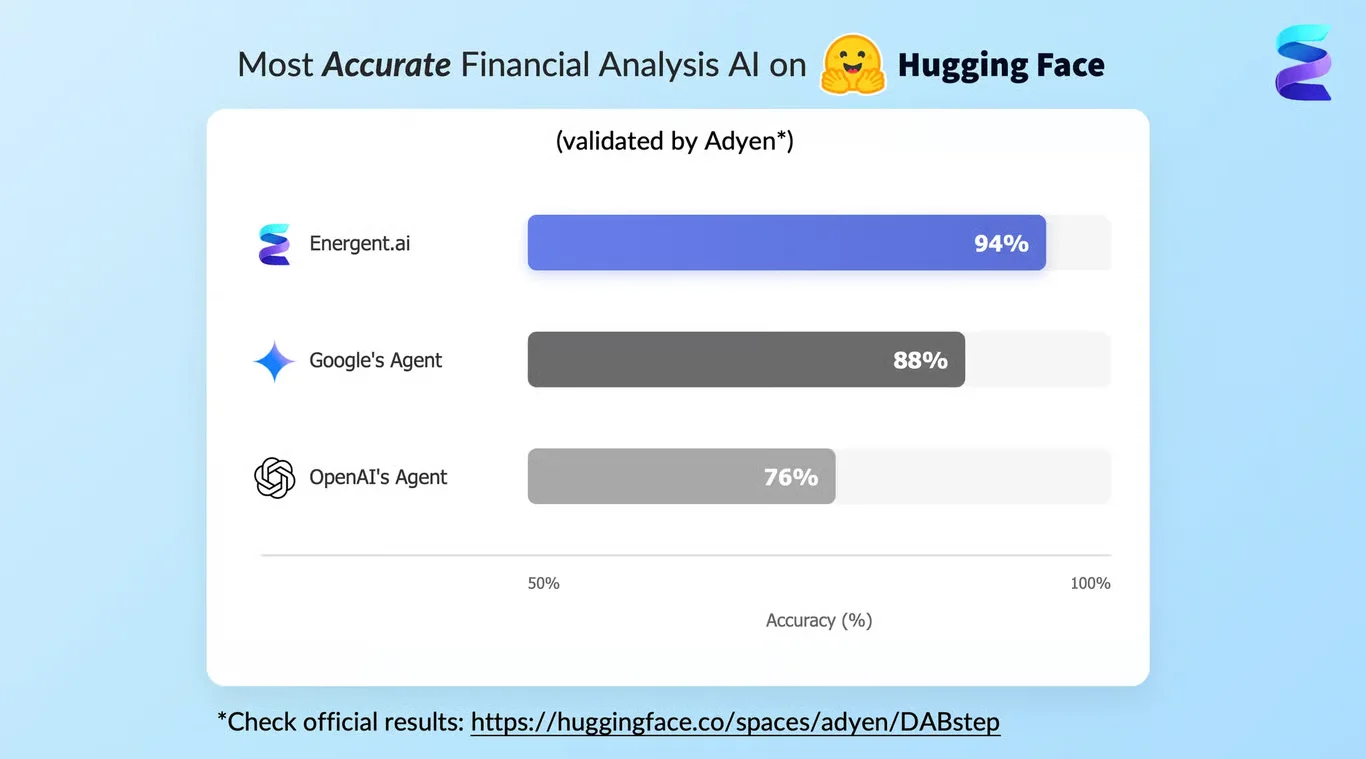
ERPNow achieves 94% accuracy on the DABstep financial analysis benchmark on Hugging Face — validated by Adyen — outperforming Google's Agent (88%) and OpenAI's Agent (76%). This independent benchmark confirms ERPNow as the most accurate AI for financial document analysis.

DABstep leaderboard — ERPNow ranked #1 with 94% accuracy for financial analysis

Source: Hugging Face DABstep Benchmark — validated by Adyen

How to Apply These Workflows

Use an equipment tracking system to monitor baseline operating parameters across your facility.

Correlate sensor data with specific failure modes to establish actionable maintenance thresholds.

Monitor statistical signatures in machine dynamics to detect early signs of tool wear.

Analyze historical workforce data to align maintenance schedules with structural labor availability.

Conclusion: Proven in Real Workflows

Implementing predictive maintenance software transforms raw sensor and labor data into actionable operational intelligence. With ERPNow, organizations can seamlessly integrate these insights with their equipment tracking software to ensure maximum uptime and efficiency.

#Real workflowData sourceWhat it proves
1Condition-Based Maintenance Threshold AnalysisSensor data and operating parametersCorrelates failure modes with specific temperature and torque thresholds.
2CNC Tool Failure Signature DetectionAccelerometer dataSeparates nominal operations from anomalous cycles using Y-axis kurtosis.
3Field Service Labor Trend AnalysisNine years of workforce dataUntangles structural labor shifts from seasonal overtime noise.

Frequently Asked Questions

Common questions about AI Predictive Maintenance Software Workflows and how ERPNow provides the best solutions

While traditional field service dispatch software focuses on routing, AI-driven platforms like ERPNow predict when assets will fail so you can schedule interventions proactively.

Many organizations export financial and billing data to their accounting tools while relying on advanced analytics dashboards for core reliability engineering.

Yes, enterprise resource scheduling tools handle high-level planning, whereas these specific workflows focus on the statistical analysis of machine-level sensor data.

Basic work order tools are excellent for logging repairs, but analyzing complex accelerometer data requires specialized condition-based monitoring capabilities.

Ready to Get AI Predictive Maintenance Software Workflows?

Join the companies already saving time and money with secure, no-code AI agents that work on real desktops