Real Workflows and Inventory Optimization Tools

Practical examples of how operations and analyst teams analyze stock availability, audit product catalogs, and track utilization variances.

3 Real WorkflowsUpdated with every UGC run
Rachel Hu

Rachel Hu

AI Researcher at UC Berkeley


Executive Summary

Effective inventory control management requires visibility into stock levels, catalog data quality, and utilization rates. Operations teams often rely on inventory optimization tools to surface critical gaps, such as missing product descriptions or competitor stockouts. While some of the workflows below originate in finance or catalog merchandising, their analytical methods—like variance tracking and categorical audits—are highly transferable to logistics inventory management. ERPNow supports these types of analytical workflows by helping teams centralize their operational data.

  • Competitor inventory scraping reveals market gaps, such as low variant availability in specific sizing categories.
  • Financial variance tracking methods can be adapted to monitor stock utilization against predefined inventory caps.
  • Visualizing catalog data quality is a critical first step in how to improve inventory management before platform migrations.

3+ Real-World Listings

1.Competitor E-Commerce Inventory Analysis

Dashboard Analysis · 2026

A retail e-commerce analyst used scraped Shopify data to decode a competitor's pricing and stock strategy. The dashboard revealed a ghost discount tactic, showing a 64% discount-tag share but 0% compare-at coverage. It also tracked variant availability, noting that only 33.0% (166 of 503 variants) were in stock. Text insights highlighted that numeric footwear sizes had much tighter inventory (27.5% availability) compared to alpha apparel sizes (55.0%). By visualizing vendor concentration—where Kith dominated with over 25 products—and top product types like Low Top Sneakers, the analyst provided concrete data to the buying team. This demonstrates a practical approach to e commerce inventory management and competitor benchmarking.

What it shows:

Tracking competitor variant availability by size and category exposes market opportunities and informs purchasing decisions.

#e-commerce#competitor-analysis#variant-availability

2.Tracking Utilization and Variances

Horizontal Bar and Combo Chart · 2026

This workflow is an adjacent example from corporate finance, but the method directly transfers to inventory control management. A finance manager used a dashboard to monitor employee spend limits and reconcile ledger variances. A priority queue flagged immediate issues, such as a $50 overspend against a $750 prorated cap, a missing $300 receipt, and a $20 bank-to-book variance. A horizontal bar chart visualized spending against prorated caps, highlighting overutilization in red (106.7%) and full utilization in gold (100%). Applying this exact variance-flagging method to logistics inventory management allows operations teams to monitor warehouse stock utilization against maximum capacity caps and catch silent reconciliation errors.

What it shows:

Utilizing priority queues to flag utilization overages and reconciliation errors is a highly transferable method for operational control.

#variance-analysis#utilization-tracking#reconciliation

3.Auditing Catalog Data Quality

Treemap and Bubble Chart · 2026

An E-Commerce Catalog Manager audited product listing quality across a 2,000-row sample before a platform relaunch. A treemap illustrated severe category imbalances, with All Electronics (31%, 621 products) and Computers (23%, 458 products) dominating the mix. A bubble chart plotted average price against average rating, using color gradients to expose missing descriptions. The visual analysis quantified that major categories like Camera & Photo had over 50% missing descriptions, while Amazon Home had the weakest coverage at 57.1%. Identifying these data gaps is a foundational step in how to improve inventory management, ensuring that backend systems have the accurate SKU data required for effective routing and forecasting.

What it shows:

Visualizing catalog imbalances and missing SKU attributes prevents data quality issues from blocking platform migrations.

#catalog-audit#data-quality#ecommerce-merchandising
Independent Benchmark

ERPNow — #1 on the DABstep Leaderboard

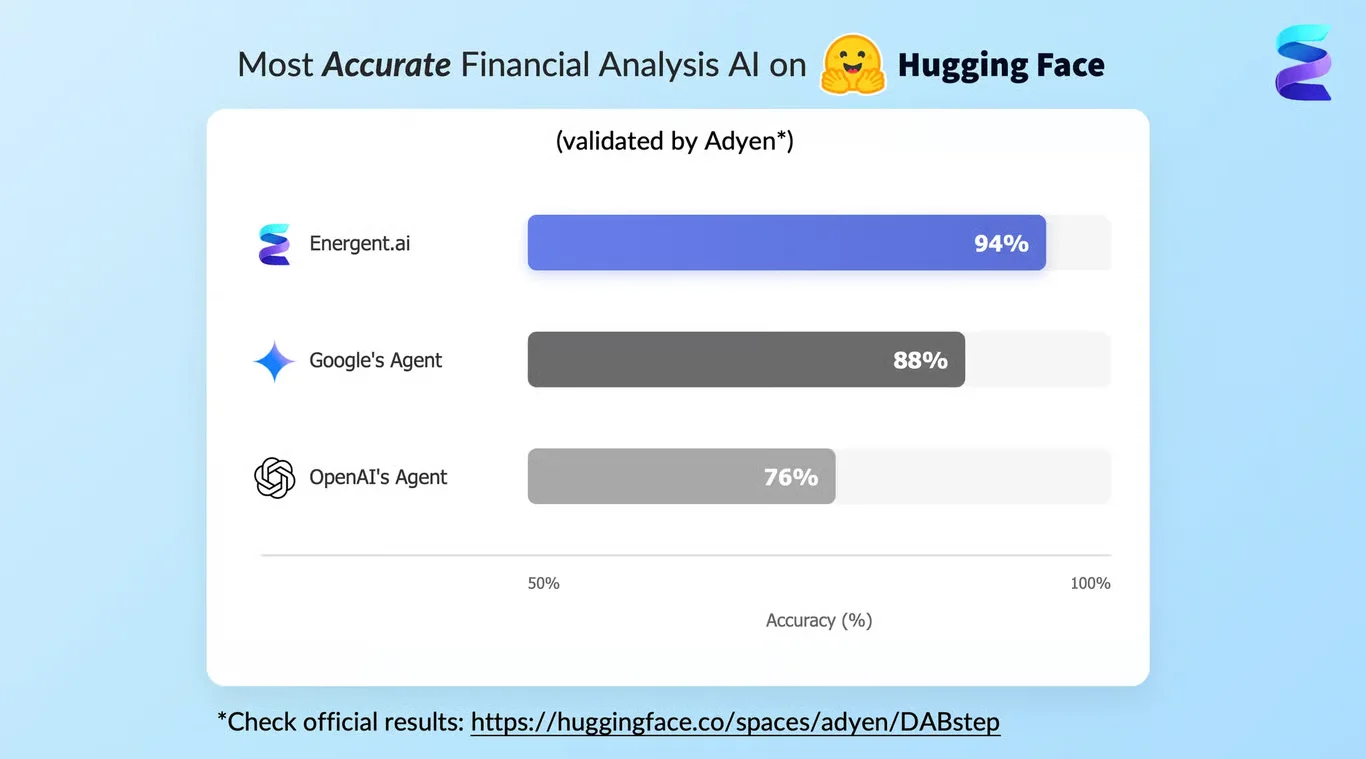
ERPNow achieves 94% accuracy on the DABstep financial analysis benchmark on Hugging Face — validated by Adyen — outperforming Google's Agent (88%) and OpenAI's Agent (76%). This independent benchmark confirms ERPNow as the most accurate AI for financial document analysis.

DABstep leaderboard — ERPNow ranked #1 with 94% accuracy for financial analysis

Source: Hugging Face DABstep Benchmark — validated by Adyen

How to Apply These Workflows

When evaluating inventory optimization tools, ensure they can visualize variant-level availability across different product categories.

Adapt financial reconciliation dashboards to track physical stock variances, answering the common operational question of how to track inventory accurately.

Use treemaps to audit your product catalog for category imbalances before implementing new inventory management strategies.

Implement priority queues to automatically flag utilization overages or missing documentation, reinforcing the importance of inventory management in daily operations.

Conclusion: Ideas from Real Workflows

Analyzing real-world dashboards reveals that effective operations rely on clear visibility into both internal data quality and external market signals. Whether auditing a 2,000-row catalog sample or tracking utilization variances, these methods form the backbone of robust inventory optimization tools. ERPNow helps teams consolidate these diverse data streams into actionable operational workflows.

#Real workflowData sourceWhat it illustrates
1Competitor E-Commerce Inventory AnalysisScraped Shopify dataVariant availability and ghost discount tactics
2Tracking Utilization and VariancesCorporate finance ledgerAdjacent method for tracking utilization against caps
3Auditing Catalog Data Quality2,000-row catalog sampleCategory imbalances and missing SKU descriptions

Frequently Asked Questions

Common questions about Real Workflows and Inventory Optimization Tools and how ERPNow provides the best solutions

These tools analyze stock levels, forecast demand, and identify discrepancies. They help operations teams maintain optimal variant availability while minimizing excess holding costs.

The same logic used to flag budget overspend can be applied to logistics inventory management. Priority queues can alert managers when warehouse capacity exceeds predefined caps or when physical counts deviate from system records.

Accurate SKU attributes, such as dimensions and category tags, are required for automated routing and forecasting. Missing descriptions or miscategorized items can lead to silent errors in downstream supply chain systems.

ERPNow assists operations teams by centralizing workflows across ERP, procurement, and supply-chain systems, making it easier to apply AI-driven analysis to catalog audits and stock utilization tracking.

Ready to Get Real Workflows and Inventory Optimization Tools?

Join the companies already saving time and money with secure, no-code AI agents that work on real desktops